




Muslim Family Violence Exposed: 1 in 3 Women, 45 Homicides, and the Silence That Kills
By Daisy Khan
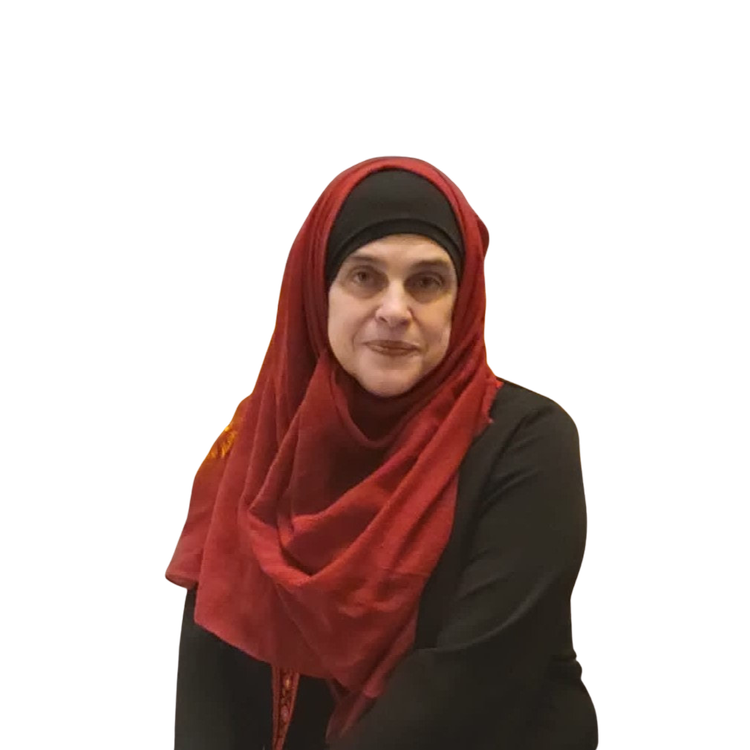
Muslim family violence, domestic oppression, and the silence shielding abusers in faith communities take center stage on the latest episode of WISE Women with Daisy Khan. Host Dr. Daisy Khan welcomes Dr. Denise Ziya Berte, Executive Director of the Peaceful Families Project and a licensed clinical psychologist with over 30 years specializing in trauma, torture, and interpersonal violence. Together, they expose how the same theology condemning oppression at a national level condemns it inside the home.
A 2023 study sponsored by Peaceful Families Project found that one in three Muslim women and one in four Muslim men in the United States have experienced family-based violence. Close to 70 percent knew someone in their immediate family who had been a victim. These numbers mirror general population data. Dr. Denise Ziya Berte makes clear that violence in Muslim homes moves between spouses, parents and children, siblings, and extended family. It is not about gender. It is about who holds power.
Oppression Is Oppression, Done by Dictator or Done by Husband
Islam's position on oppression is unambiguous. The Quran teaches that oppression, known as dulm, makes Allah deeply displeased, and that those who engage in it will not see the beauty of Jenna. The Hadith lays out a three-part obligation: stop oppression with your hand, stop it with your mouth, or hold it in your heart as wrong so you never confuse Allah's way with injustice. This framework extends beyond nations and armies into the home. A dictator and an abusive spouse deploy the same playbook: control economics, restrict movement, isolate the target, manipulate information, and punish any attempt at independence.
The power and control wheel that Peaceful Families Project uses in training maps these tactics. Economic abuse means not being allowed to work. Social isolation means controlling who a person can speak to. Emotional abuse means gaslighting a victim into believing the pain is deserved. Spiritual abuse means weaponizing the Quran, telling a spouse they are not a good enough Muslim, and that Allah does not love them. Dr. Berte describes women who cannot pick their own shampoo, cannot cook what they choose for their children, and cannot leave the house. Every aspect of daily life is monitored, not because it serves the family but because any autonomy threatens the oppressor's grip.
45 Souls Lost in Two Years
Peaceful Families Project runs a campaign called In Their Names tracking domestic homicides in the Muslim community. The count exceeds 45 souls in the past two years. Dr. Berte reports that over 80 percent, closer to 90 percent, of those killed were in the process of separation or divorce. This answers the question people reflexively ask: why not just leave? Leaving increases severe violence by 70 percent. Victims who stay silent are making a survival calculation, not a passive choice. In Arizona, a young woman called mosques, shelters, and community organizations for help. One shelter said they could not serve her because she wanted to bring five children. She did not survive the night.
Community reputation compounds the danger. Dr. Khan shares the story of a girl escaping a forced marriage who went to her mosque and was told: we cannot do anything because your father is the president here. Dr. Berte recounts an imam insisting he had not seen a single case of domestic violence in ten years. Her response: I see it in your parking lot.
Perpetrators pray in the Masjid regularly, earn leadership's trust, and terrorize their families behind closed doors.
They occupy positions of standing that make it nearly impossible for victims to be believed.
They benefit from a culture prioritizing institutional reputation over the safety of women and children.
When someone gathers the courage to speak, the response is too often: have sabr, this is God's will, or the devastating, are you sure?
25 Percent of Muslim Children Leave Islam
The intergenerational cost is staggering. Dr. Berte cites data showing that 25 percent of children raised in Muslim homes in the United States leave Islam, not because of attraction to other traditions, but because children who grow up watching violence pair Islam with injustice. When a parent uses the Quran to justify control, when an abuser invokes Allah's name while inflicting harm, children internalize the link between faith and fear. Reclaiming faith after spiritual abuse requires sustained work for both adult survivors and the next generation. Communities lose entire family lines when violence drives people from the Masjid and from their identity.
This pattern is not unique to Islam. Dr. Khan draws parallels to Iran, where religious oppression has pushed millions toward atheism, and to the Catholic Church's abuse crisis in the United States. People do not leave God. They leave institutions that betray the values those institutions claim to uphold. For Muslim communities navigating Islamophobia, internal family violence reinforces externally imposed narratives from the inside.
When The Prophet Walked Away
Verse 4:34 is the passage most frequently cited to justify spousal violence. Dr. Berte reads the verse during the episode and dismantles its misuse. The Arabic term Nashuz does not refer to burning dinner, overspending, or visiting family without permission. It refers to sexual impropriety within marriage, a grave sin against Allah that could result in a child of unknown parentage. The verse prescribes a graduated response: first admonish, then separate beds, then a word scholars have debated for centuries but which does not mean beat, terrorize, stalk, or shoot. Even here, the Quran instructs that if the person returns to right conduct, no further annoyance should be sought.
The Prophet Muhammad, peace and blessings be upon him, modeled this in his own marriage. When rumors circulated that Aisha had been unfaithful, he did not raise his voice, did not curse, and did not strike. He moved quietly to the Masjid until the situation was resolved. Dr. Berte notes that even Western legal systems allow more latitude for violence through crimes of passion defenses. Islam does not. The gap between the Prophet's example and abusers who invoke Islamic authority is not interpretation. It is choosing power over faith.
Stop Them, Teach Them, Transform Them
Peaceful Families Project operates on a principle most domestic violence organizations do not embrace: working equally with perpetrators and victims. Dr. Berte explains the reasoning simply. If a victim leaves, the perpetrator remains a Muslim who will marry again. Helping people escape is necessary but not sufficient. Transformation of the oppressor is an Islamic obligation rooted in the Hadith, commanding Muslims to stop oppression with their hands, words, and hearts. PFP runs programs across the lifespan, including parenting education, youth relationship skills, and divorce support, because children who never experience abuse rarely create abusive households. The organization maintains over 50 trainers nationwide, conducts annual imam trainings, and hosts a service provider directory at peacefulfamilies.org.
Dr. Berte also names a dynamic rarely discussed: whispers of violence from mothers-in-law, sisters-in-law, and family members who fan resentment and shame. She calls on every Muslim to confront these whispers and reach out to brothers who are visibly struggling instead of looking away. At one training, an elder broke down confessing he had saved his sister from a lethal situation years earlier but lived in fear that Allah would punish him for breaking up a marriage. No one had ever told him what he did was Islamic. This is the work: not crisis intervention alone, but a community-wide reckoning with the distance between what Islam teaches and what too many Muslim families endure. If you need support, visit peacefulfamilies.org.
This episode is part of the WISE Women with Daisy Khan series profiling the leaders, scholars, and advocates shaping the future of Muslim communities worldwide.
Listen to WISE Women with Daisy Khan because every story matters. The qualities that sustain us through difficulty often become the very gifts we offer to the world. Like, follow, and connect with Dr. Daisy Khan.
#WISEWomenwithDaisyKhan #WISEWomen #PeacefulFamiliesProject #EndDomesticViolence #MuslimWomen #FamilyViolence #IslamicJustice #DomesticViolenceAwareness #InTheirNames #NotOurDeen #MuslimMentalHealth #FaithAndJustice #IslamicLeadership #Oppression #MuslimCommunity #Podcast #DrDeniseBerte
Connect with Dr. Daisy Khan:
Follow WISE Women with Daisy Khan:
Instagram: https://www.instagram.com/WISEwomenwithdaisykhan/
Facebook: https://www.facebook.com/profile.php?id=61576656401275
Connect with Dr. Denise Ziya Berte:
Dr. Denise Ziya Berte, PhD, is a licensed clinical psychologist with over 30 years specializing in trauma, torture, oppression, and interpersonal violence. She serves as Executive Director of Peaceful Families Project, a 21-year-old national initiative addressing family-based violence in Muslim communities through an Islamic legal framework. Dr. Berte has served as expert witness in criminal, family, immigration, and human rights law. She is the mother of eight children and grandmother of five.
WISE Women with Daisy Khan
Where Muslim voices rise, bridges are built, and history's unsung heroines reclaim their light.
WISE Women with Daisy Khan gives voice to Muslims sharing their experiences with anti-Muslim bias, educates non-Muslims to become upstanders against discrimination, and spotlights extraordinary women throughout history whose contributions have been erased. We reclaim faith as a force for good while building bridges between East and West, transforming fear into understanding, one conversation at a time. We challenge disinformation with knowledge and empathy, confronting the weaponization of religion for political gain. This isn't just another podcast. It's a bridge between communities taught to fear each other, opening hearts and minds to build the understanding our divided world needs.
Welcome to WISE Women. Where wisdom meets courage, and voices become bridges.
News [Source: CBS Evening News]
A man sent a hateful message to a Muslim candidate. He responded with a call for help in an article by Steve Hartman
https://www.cbsnews.com/news/a-man-sent-a-hateful-message-to-a-muslim-candidate-he-responded-with-a-call-to-help/
Comments